Wash guide · 3 min read
Touchless wash or brush wash?
When it is time to clean the car, the choice often comes down to convenience and the kind of contact you are comfortable with. Touchless and brush washes both aim to remove everyday dirt, but they work differently. Understanding those differences helps you choose a service that fits your vehicle, your routine, and the condition of the exterior. Neither approach is a substitute for careful detailing when paint or trim needs special attention.
How a touchless wash works
A touchless wash applies cleaning solutions and uses directed water to loosen and rinse away surface dirt, without rotating brushes touching the paint. This can appeal to drivers who prefer a brush-free process for routine exterior upkeep. It is also a straightforward choice when you want to stop for a quick rinse during a busy day.
Cleaning results depend on the kind of soil, how long it has been on the vehicle, and the wash settings. Loose dust and fresh road spray may come away readily, while dried residue, heavy mud, or stubborn marks can remain. A touchless cycle is convenient, but it should not be treated as a promise that every spot will disappear.
What to consider with brush washes
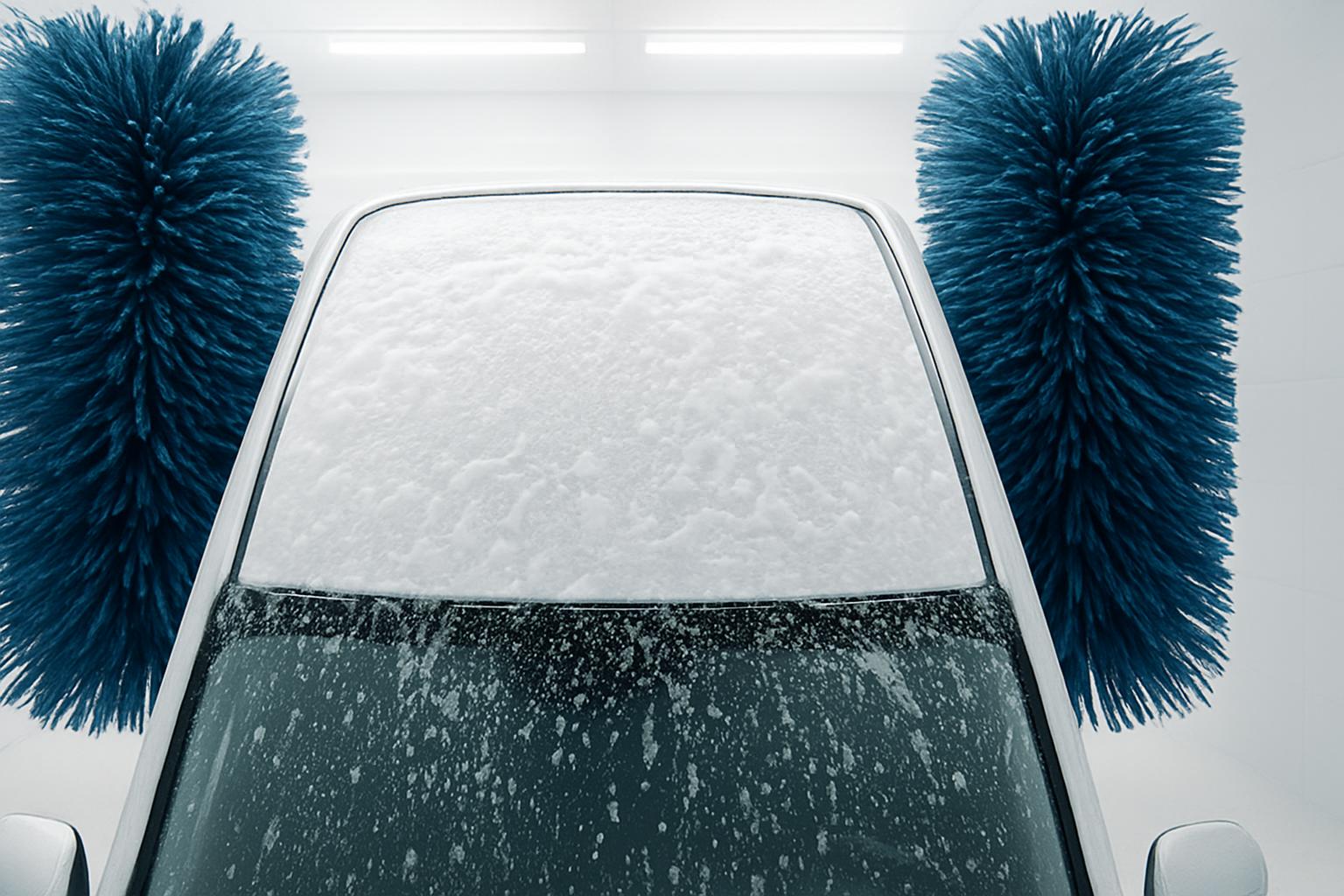
Brush-style systems use physical contact to help remove dirt from the vehicle’s surface. Some drivers value that direct action, especially when ordinary grime has built up. As with any wash, the condition and maintenance of the equipment matter, and the result can vary by facility and by the material on the car.
If you are weighing a brush wash, consider your comfort with contact and check that the vehicle has no loose exterior parts that could be affected. Follow posted instructions, close the windows, and use the service’s guidance for roof racks, antennas, and other accessories. For a specialty finish or delicate trim, follow the vehicle maker’s care recommendations.
Choose based on your car and the job
Start with the state of the vehicle. For light dust or a recent coating of road spray, a touchless Quick Rinse can be a practical option. The Everyday Clean fits routine upkeep, while the Complete Finish adds wheel attention and a protective finishing step. If grime is stubborn or you need a more exact result, hands-on detailing may be a better fit than expecting any automatic cycle to do everything.
Think about the way you use the car, too. A driver who passes through treated winter roads may value frequent rinses, while someone who parks indoors and drives occasionally may visit less often. A multi-wash bundle can help plan repeat stops, but choose based on actual use rather than buying more visits than you need.
Keep expectations practical
Whichever method you choose, simple preparation helps. Remove loose items from the exterior, confirm that windows are closed, and check height and equipment restrictions. After the wash, inspect glass, lights, and the areas that collect the most road spray. If a mark remains, use a suitable cleaning method or ask a detailing professional rather than repeatedly running the car through a cycle.
There is no single best wash for every vehicle or every day. A touchless system offers brush-free convenience; a brush system uses contact to work on surface grime. Consider your priorities, the car’s condition, and the wash provider’s instructions, then choose the option that feels right for regular care.